Bus Wrap Graphics: The Ultimate Guide to Mobile Advertising
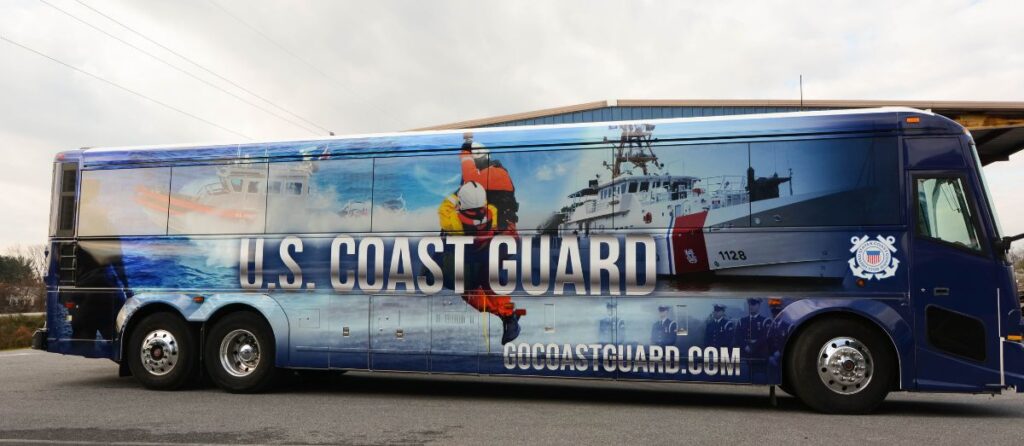
Bus wrap graphics turn regular vehicles into strong mobile billboards. They share your brand message with thousands of potential customers every day.
These colorful vinyl wraps are a cost-effective way to advertise outside. They turn buses into moving ads that grab attention all over the city. This method does not interrupt people's daily lives.
Whether you run a small business or a national brand, bus wrap graphics can help. They provide great visibility, creative options, and a strong return on investment. This comprehensive guide explores everything you need to know about leveraging bus wraps for maximum marketing impact.
Key Takeaways
- Bus wrap graphics turn vehicles into moving billboards. They use high-quality vinyl materials. This helps deliver your brand message to thousands of potential customers every day on city routes.
- Three main options fit different budgets: full wraps ($10,000-14,000+), partial wraps ($6,000-8,000+), and target decals ($2,500-3,500+)
- Bus wrap materials protect vehicle paint while advertising, lasting 3-5 years and delivering exceptional ROI with studies showing a $5.97 return per $1 invested.
- Effective design requires strategic thinking—prioritizing readability, considering vehicle contours, and including clear calls-to-action that work at speed and distance.
- Certified technicians provide professional installation. This ensures great results and safe removal without damaging the paint. Bus wraps are a smart and scalable marketing strategy for businesses of all sizes.

What Are Bus Wrap Graphics?
Bus wrap graphics are large-scale vinyl decals applied to bus exteriors, transforming vehicles into dynamic advertising platforms. These wraps use high-quality vinyl that stands up to weather and wear. They protect the vehicle's paint from UV rays and scratches. At the same time, they display bright promotional messages.
The process has three main steps:
- Create a custom design that fits the bus.
- Print it using high-quality equipment.
- Install it with heat tools for a perfect fit.
Professionals can remove wraps without damaging the underlying paint when campaigns end.
Bus wrap material does more than just advertise. It protects the vehicle's look and resale value. At the same time, it creates thousands of daily impressions from people walking, driving, and commuting.
Types of Bus Wraps: Full, Partial, and Decals
Understanding your options helps align budget with marketing objectives:
Full Wraps cover the entire bus surface, including sides, rear, and sometimes windows using perforated film. These deliver maximum visual impact and 360-degree brand exposure, ideal for major campaigns, product launches, or national branding initiatives. Full wraps typically cost $10,000-14,000+ but provide the most dramatic transformation.
Partial Wraps cover select sections like sides or rear panels, offering significant marketing value at lower cost ($6,000−8,000+). Creative designers often use the vehicle's original color to make partial wraps look bigger and create more visual impact.
Bus Decals are smaller, self-adhesive graphics applied to limited areas such as doors or windows. Starting around $2,500-3,500+, these economical options work well for temporary messages, seasonal advertising, or frequent design updates. While less dramatic than full wraps, decals provide flexible, cost-effective branding solutions.
Key Benefits of Bus Wrap Advertising
Bus wrap graphics deliver exceptional value through multiple advantages:
- Unmatched Visibility: Moving billboards travel through high-traffic areas, ensuring repeated exposure to diverse audiences without interrupting consumer experiences. Industry research supports this effectiveness. Nielsen studies show that 90% of US travelers notice out-of-home ads. Also, 66% of smartphone users take action right after seeing these ads.
- Great ROI:
- Out-of-home advertising brings in about $5.97 in sales for every $1 spent. Wraps last 3-5 years, providing strong long-term value.
- Consumer research validates this return: nearly two-thirds of viewers act on out-of-home ads, and over 80% buy something when they visit the advertised business.
- Geographic Targeting: Strategic route selection allows businesses to reach specific demographics and neighborhoods, maximizing local relevance. With public transit ridership at 85% of pre-pandemic levels and rising, bus wraps reach growing, diverse audiences.
- Creative Flexibility: Full-color customization enables vibrant imagery, bold messaging, and complete brand storytelling across large surfaces.
- Vehicle Protection: Vinyl wraps shield paint from UV rays, scratches, and weather damage, preserving resale value.
- Professional Credibility: High-quality graphics elevate brand perception and foster trust with potential customers.
- Non-Intrusive Marketing: Unlike digital ads competing for attention, bus wraps naturally capture interest without disrupting daily routines.
Design Best Practices for Effective Bus Wraps
Creating impactful bus wrap graphics requires strategic design thinking and professional expertise.
Core Design Principles:
- Prioritize Readability: Use bold fonts and high-contrast colors for visibility at speed and distance. Avoid cluttered layouts—viewers have mere seconds to absorb your message. Choose large fonts and ensure text is visible from at least 50 feet away.
- Consider Vehicle Contours: Account for windows, doors, handles, vents, and curves when placing graphics. Avoid positioning key visuals over these areas to prevent distortion. Work with exact vehicle measurements and templates to ensure optimal alignment.
- Leverage Brand Elements: Incorporate logos, brand colors, and consistent messaging to reinforce recognition and credibility. Maintain brand guidelines while adapting for the unique canvas of a moving vehicle.
- Use High-Quality Images: Use high-resolution graphics (at least 150 DPI at actual size) that can be scaled for large printing. Vector graphics maintain quality across expansive surfaces and prevent pixelation.
- Create Visual Hierarchy: Lead viewers' eyes from the most important information to supporting details. Use size, font weight, and smart placement. Your logo and main message should dominate the design.
- Include Clear Call-to-Action: Tell viewers to visit your website, call your number, or take specific action with clear, easy-to-remember contact information. Keep phone numbers and websites large and simple.
Working with Professional Graphic Designers
Collaborating with professional graphic designers is essential when creating high-impact bus wrap graphics. These experts combine creativity, technical knowledge, and industry experience to ensure your wrap looks great and works well on a moving vehicle.
Professional designers know how to align artwork with bus features like windows, doors, vents, and curves to avoid visual distortion. They ensure high readability at various distances and speeds, making your message stand out in traffic. They also incorporate branding elements like logos, taglines, and contact information strategically for maximum visibility while avoiding common design pitfalls.
Experienced designers work with you to translate your branding into a compelling visual story, whether the goal is to build brand awareness, promote a specific campaign, or communicate a community message.
Common Mistakes to Avoid:
- Overloading with text or multiple messages
- Using low-contrast color combinations
- Ignoring bus features during design placement
- Forgetting to include clear contact information
- Poor scaling of resolution, leading to grainy prints
- Misplacing key information on parts of the bus that are often obscured
- DIY design without professional expertise
Bus Wrap Materials and Installation Essentials
Types of Vinyl and Laminate Used:
Cast Vinyl is the gold standard for bus wrap graphics. It is thin, highly conformable, and designed to maintain its color and shape over time, even on complex curves and surfaces. Popular among professionals, it's ideal for full wraps due to its flexibility and resistance to shrinkage.
Calendared Vinyl is thicker and more cost-effective than cast vinyl. While it's suitable for flat or slightly curved surfaces, its lifespan is shorter, typically used for short- to mid-term promotions or partial wraps.
Reflective Vinyl uses embedded glass beads to shine brightly under light sources like headlights. Marketers and safety teams often choose it for night-time visibility, especially in promotional wraps or safety messages.
Perforated Vinyl (One-Way Vision Film) has tiny holes that allow passengers to see through windows from inside the bus while still displaying graphics on the outside. Designers commonly use it on windows to extend the vehicle's design without compromising visibility.
Laminate Finishes:
- Gloss Laminate: Provides a shiny finish that enhances color vibrancy and visual appeal
- Matte Laminate: Offers a subdued, non-reflective finish that reduces glare
- Satin Laminate: Strikes a balance between gloss and matte by offering a semi-shiny finish
- Anti-Graffiti Laminate: Specifically designed to withstand graffiti and allow for easy cleaning
Printing Technologies and Quality Standards
Most bus wrap graphics are created using advanced large-format digital printers that produce full-color, high-resolution images on premium vinyl films. This technology enables high-definition details ideal for logos, images, and typography, with G7 certification ensuring color accuracy and consistent branding.
Installation and Removal Best Practices
Surface Preparation: Begin with thorough cleaning using non-abrasive cleaners to remove dirt, wax, and grease. Ensure the surface is completely dry before application and check for existing damage.
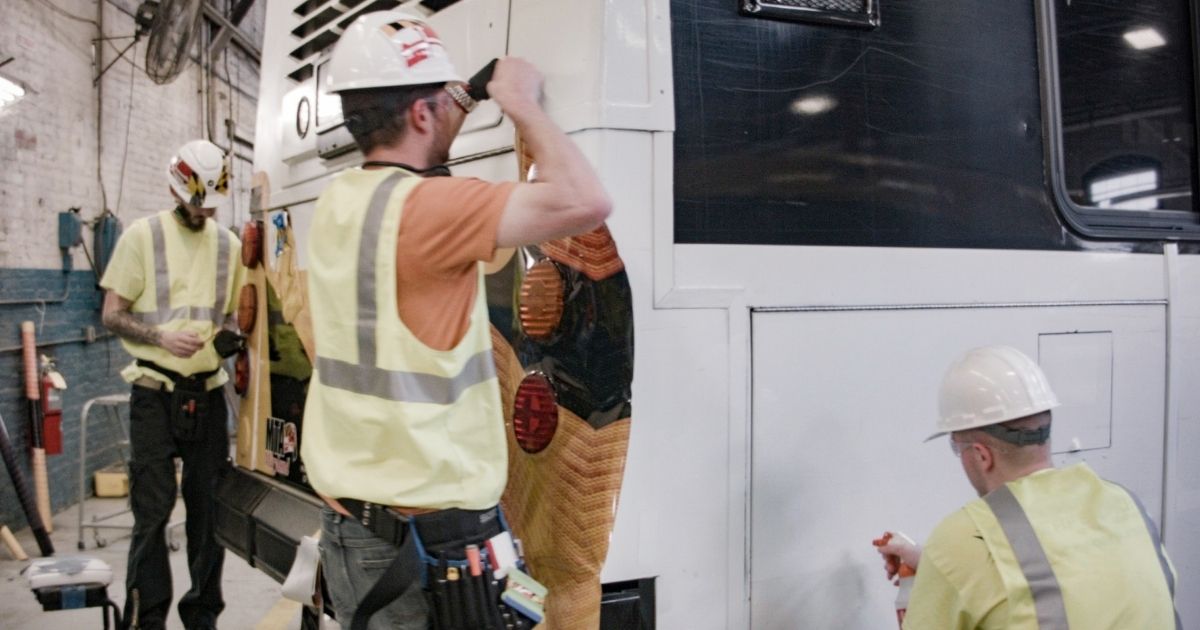
Professional Installation: Certified installers use specialized tools like squeegees, heat guns, and air-release adhesives to properly fit the vinyl around curves and edges. Install in controlled environments between 60°F and 80°F for optimal adhesion.
Removal: Schedule timely removal (vehicle wraps last 3-5 years) and use gentle heat to soften adhesive. Peel slowly at 45-degree angles and clean any residue with adhesive remover without harming the paint.
Real-World Bus Wrap Graphics Application: Johns Hopkins University Fleet
A recent high-profile project demonstrates how proper material selection and professional partnerships create exceptional results. Baltimore Signs and Graphics partnered with AP Corp to transform five Flyer XE40 Excelsior Electric Buses for Johns Hopkins University, showcasing the power of expert collaboration in bus wrap graphics installation.
Watch the Installation Process:
See how industry professionals execute a large-scale bus wrap graphics project using premium materials and expert techniques. This behind-the-scenes look reveals the attention to detail required for successful commercial vehicle wrapping.
Project Specifications:
- Avery Dennison 1105 vinyl for the main bus wrap graphics - providing excellent flexibility and color reproduction
- Avery Dennison 1360z Gloss Laminate for enhanced durability and vibrant finish
- Avery Dennison MPI 2528 Perforated Window film (50/50) maintaining passenger visibility while extending the design across windows
As Tony Prolifi from Baltimore Signs and Graphics noted in the video: "When you get 'wow' from people already in the business… you know you're doing something right." This material combination delivered stunning visual impact while meeting the durability requirements for Baltimore's urban environment.
The partnership between Baltimore Signs and Graphics and AP Wraps demonstrates how experienced vendors collaborate to handle large-scale bus wrap graphics projects, ensuring Johns Hopkins University received professional results that enhance their fleet's appearance and brand visibility.
Compliance and Safety Considerations
Successful bus wrap campaigns require regulatory awareness. Check local advertising laws, transit authority guidelines, and zoning restrictions. Some regions limit content, placement, or duration of vehicle advertising.
Never obstruct windows, mirrors, lights, or license plates. Use perforated vinyl for window coverage to maintain passenger visibility. Ensure vehicle wraps don't interfere with emergency exits or safety equipment. Make sure to use flame-retardant, DOT-compliant materials for public transportation applications.
Cost Analysis and ROI Expectations of Bus Wraps
Bus wrap investment varies based on several factors:
- Cost Ranges:
- Full wraps: $10,000-14,000+
- Partial wraps: $6,000−8,000+
- Decals: $2,500−3,500+
- Factors Affecting Price: Vehicle size, design complexity, vinyl quality, geographic location, and installation requirements.
- ROI Potential: With 3-5 year lifespan and daily exposure to thousands of viewers, cost-per-impression remains extremely low. Studies show $5.97 return for every advertising dollar spent, plus up to 316% boost in other marketing channel effectiveness.
Choosing the Right Vendor
Selecting experienced providers ensures professional results:
- Key Questions to Ask:
- Do you specialize in bus wrap graphics specifically?
- What vinyl brands and warranties do you offer?
- Are your installers certified by manufacturers?
- Can you handle nationwide installations?
- May I see your portfolio of completed projects?
- Evaluation Criteria: Review portfolios for design quality and variety, read client testimonials, verify certifications, and confirm they use premium bus wrap material from trusted manufacturers.
- Professional Advantage: Experienced vendors understand vehicle contours, compliance requirements, and installation best practices, ensuring optimal results and longevity.
Maximize Your Marketing Impact with Bus Wrap Graphics
Bus wrap graphics represent one of today's most powerful and cost-effective advertising strategies. By transforming ordinary vehicles into mobile billboards, businesses of all sizes can achieve exceptional visibility, target specific demographics, and generate impressive ROI through long-term exposure.
Whether you choose full wraps for maximum impact, partial coverage for budget consciousness, or strategic decals for targeted messaging, professional design and installation ensure your investment delivers lasting results. With proper planning, quality materials, and experienced vendors, bus wraps provide an unmatched opportunity to elevate brand awareness and drive business growth.
Frequently Asked Questions
How long do bus wrap graphics last?
Bus wrap graphics typically last 3 to 5 years, depending on factors like vinyl quality, local climate, sun and moisture exposure, and maintenance practices. Premium vinyl materials, such as those made by 3M or Avery Dennison, often feature protective laminates that guard against UV rays, scratches, and general wear and tear, extending the life of the wrap.
Professional installation also plays a crucial role in longevity. When applied by certified installers, the wrap adheres more securely and resists peeling or bubbling over time. Additionally, wraps maintained with proper care—like regular hand washing with non-abrasive cleansers and avoiding harsh chemicals or pressure washing—can see their lifespan reach the higher end of the range.
For optimal durability, choose experienced vendors who use high-quality bus wrap materials and provide warranties to keep your investment vibrant and protected for years. Remember, you can remove or replace wraps anytime you're ready for a rebrand or seasonal promotion, making them a flexible, long-term advertising solution.
Can bus wrap graphics damage the vehicle's paint?
Bus wrap graphics, when professionally installed and removed, typically do not damage a vehicle's paint—in fact, they can help protect it. High-quality vinyl wraps serve as a protective barrier against scratches, rock chips, UV rays, and general wear and tear. This added layer can preserve the original paint underneath and maintain the vehicle's appearance over time.
However, there are a few important considerations to ensure a damage-free experience:
- Pre-existing Damage: If the bus already has scratches, dents, or flaking paint, the adhesive on the wrap may cause some areas to peel upon removal.
- Fresh Paint: Newly painted surfaces need ample time to cure (at least a few weeks) before wrapping. Applying vinyl too early can interfere with paint adhesion and lead to peeling.
- Professional Installation: DIY or improperly done installations can trap air bubbles, stretch the vinyl incorrectly, or cause adhesive failure—all of which may lead to surface damage.
To avoid potential paint issues, always work with certified professionals who use premium vinyl films and have the experience needed to ensure the application process is secure, clean, and safe for the vehicle's paint.
What's the difference between a bus wrap and a bus decal?
Bus wrap graphics and bus decals serve a similar purpose—advertising and branding—but they differ significantly in coverage, cost, and impact.
Bus Wraps are large-scale vinyl graphics that cover the entire bus (full wraps) or significant portions of it (partial wraps). These wraps transform the bus into a moving billboard, offering vibrant, high-resolution imagery that grabs attention from every angle. They are completely customizable and can last 3–5 years, making them an effective solution for long-term campaigns or brand reinforcement.
Bus Decals, on the other hand, are smaller, self-adhesive vinyl graphics applied to limited areas of the bus—often the sides, windows, or rear. While they're more economical and quicker to apply, decals don't offer the same visual dominance as full or partial wraps. However, they're ideal for seasonal promotions, event announcements, or temporary messaging.
In short:
- Coverage: Wraps cover more surface area; decals are limited in scope.
- Impact: Wraps deliver greater visual impact and brand engagement.
- Cost: Decals are more budget-friendly but less dynamic.
- Flexibility: Decals are easier to remove or change frequently.
Choosing between a bus wrap or decal depends on your marketing goals, budget, message longevity, and desired audience reach. Many businesses combine both for a layered, strategic advertising approach.
How do I maintain my bus wrap to make it last longer?
Proper maintenance of your bus wrap graphics is essential to extend their lifespan and preserve their visual appeal. With the right care, high-quality vinyl wraps can last anywhere from 3 to 8 years depending on environmental factors and usage.
Here are some practical tips to keep your bus wrap looking vibrant and performing well over time:
- Wash Regularly and Gently: Keep your wrapped bus clean by washing it whenever it appears dirty. Use a mild, non-abrasive detergent with a soft sponge or cloth. Always rinse thoroughly with clean water and dry with a silicone squeegee or soft microfiber towel to avoid water spots.
- Avoid Harsh Chemicals and Pressure Washers: Do not use strong solvents, abrasive tools, or automatic car washes with brushes, as they can scratch or degrade the wrap. If using a pressure washer, keep the nozzle at least 12 inches away, use water below 2,000 psi, and spray at a 45-degree angle.
- Spot Clean Immediately: If tree sap, bird droppings, or other contaminants land on the wrap, clean the affected area as soon as possible to prevent staining. Use isopropyl alcohol diluted with water and a soft cloth for best results.
- Park in the Shade or Indoors: Prolonged exposure to UV rays can cause fading or premature wear. When possible, park your bus in shaded areas or indoors to protect the wrap from sun damage and weathering.
- Schedule Professional Cleanings and Inspections: For fleets or long-term wraps, consider scheduling professional detailing and inspections. Experts can safely clean and repair any issues, ensuring the longevity and effectiveness of your advertising investment.
By following these maintenance best practices, your bus wrap graphics will continue to make a bold impression while protecting your vehicle's paint and reinforcing your brand image for years to come.