
What Affects the Cost of Commercial Vehicle Wraps? Size, Design & More
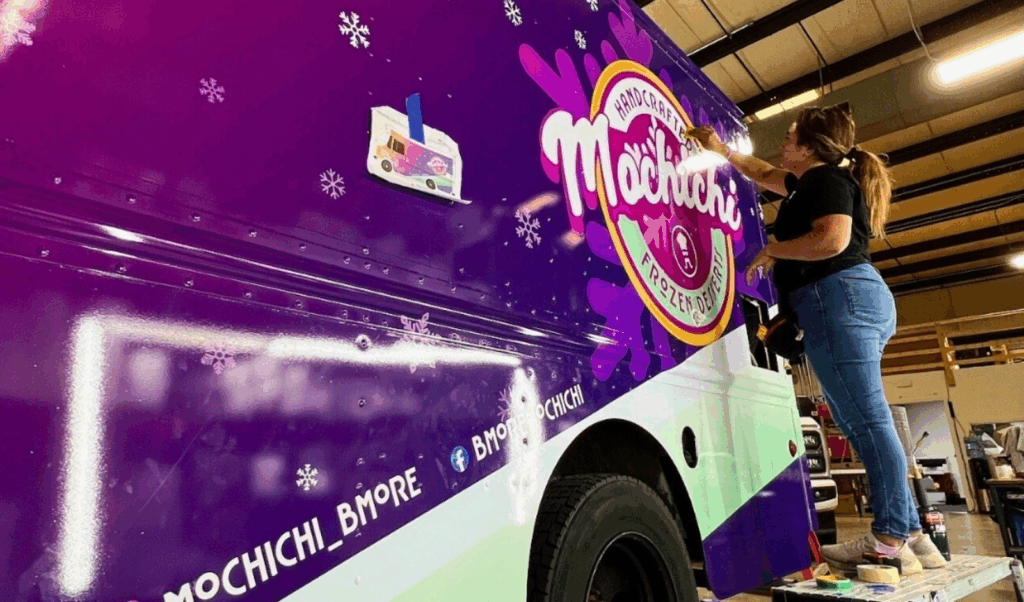
If you’re a business owner with a fleet of vans, trucks, or even a single company car, chances are you’ve at least considered wrapping your vehicles. And honestly, it’s a smart move.
A commercial wrap turns your vehicles into rolling billboards, builds brand visibility, and protects the original paintwork underneath.
But let’s be real—one of the first questions you’ll probably ask is: how much is this going to set me back?
The cost of commercial vehicle wraps can vary quite a bit, and understanding what goes into that number can help you make an informed decision that suits your budget and your brand goals.
Let’s break down what actually affects the price tag—because it’s not just about slapping a logo on the side of a van.
Vehicle Size: Bigger Isn’t Just Louder—It’s Pricier
This one’s pretty straightforward. The larger the vehicle, the more wrap material you’ll need, and the more time it’ll take to install. Wrapping a compact car versus a 26-foot box truck? Completely different ballpark.
Here’s a rough breakdown of how size influences cost:
- Compact Cars & Small Vans: Less surface area, fewer curves, and usually quicker install time.
- Mid-Size SUVs & Cargo Vans: More vinyl needed, especially for larger vans, and often more complex surfaces to wrap cleanly.
- Large Trucks, Buses & Trailers: High square footage of trailers and buses, plus details like rivets, corrugations, or panel gaps, can stretch both material usage and labor time.
And let’s not forget height. Wrapping a tall vehicle usually requires scaffolding or lifts, which adds time and logistics to the mix.
Full Wrap vs. Partial Wrap vs. Spot Graphics
Another major cost driver is how much of the vehicle you want to wrap.
- Full Wraps: Cover the entire surface—sides, rear, hood, roof, even bumpers. This delivers the highest visual impact and brand consistency but naturally costs the most.
- Partial Wraps: These typically cover only part of the vehicle—say, just the rear and side panels. Strategic placement can still look impressive while trimming costs.
- Spot Graphics or Decals: Think logos, contact info, or social handles. Great for those who want branding on a tighter budget.
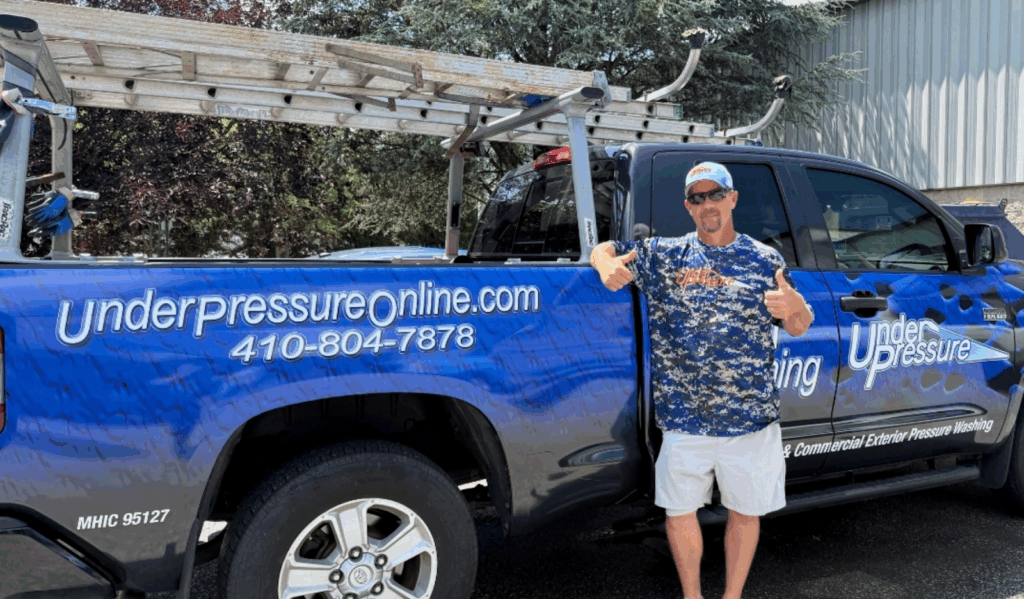
Choosing between full, partial, or spot coverage depends on your marketing goals. If you’re going for that head-turning, can’t-miss-it look, full wraps are hard to beat. But if budget’s the priority, a clever partial wrap with bold design might be all you need.
Complexity of Design: Simplicity Saves
Design is where art meets marketing—and also where pricing can go up fast. A basic wrap with a solid background and a clean logo? Easier to print, easier to install.
But a design with gradients, patterns, photo-quality images, or lots of intricate elements? That’s going to require more design hours and more precision during application.
Also, if you’re requesting design revisions or working with a designer from scratch, that creative time can add to the overall bill.
Custom illustration, 3D mockups, or adapting your brand elements for multiple vehicle types? Those details matter, and they require expertise.
But, when executed well, they can directly impact how memorable your brand is on the road and improve your marketing ROI by turning more impressions into actual leads.
Pro tip: Keep it bold and clean. Not only is it more affordable, but it’s also easier to read when your vehicle is in motion.
Surface Condition: What Lies Beneath
If your vehicle’s paint is chipped, rusted, or peeling, you’ve got a bit of a problem. Wraps adhere best to smooth, clean surfaces.
Imperfections beneath the vinyl can lead to visible ripples or air bubbles, and over time, they may shorten the lifespan of the wrap.
Before applying a wrap, the installer may recommend (or require) paint correction or repairs, which will bump up the total cost. And honestly, trying to skip this step could cost you more in the long run.
A poorly prepped surface means a shorter lifespan for your wrap—and possibly costly reinstallation.
Type and Quality of Vinyl: All Wraps Are Not Created Equal
Just like there’s a difference between a fast-food burger and a steakhouse burger, there’s a difference between low-end vinyl and premium cast film.
The good stuff—think 3M or Avery Dennison—lasts longer, resists fading, and conforms better to curves and contours.
Premium wraps often come with warranties (some up to 7 years), which can be a lifesaver for commercial fleets that stay on the road day in, day out. Cheaper vinyl might save you money up front, but it tends to fade, crack, or peel sooner—especially in harsh weather conditions.
You also have specialty finishes to think about: matte, gloss, satin, carbon fiber textures, chrome effects… the list goes on. Each comes with its own pricing tier.
Installation Time and Skill: Labor Isn’t Just Labor
A professional wrap job isn’t something you knock out in an hour with a YouTube tutorial. It takes trained installers, clean workspaces, and time—sometimes several days per vehicle, depending on complexity.
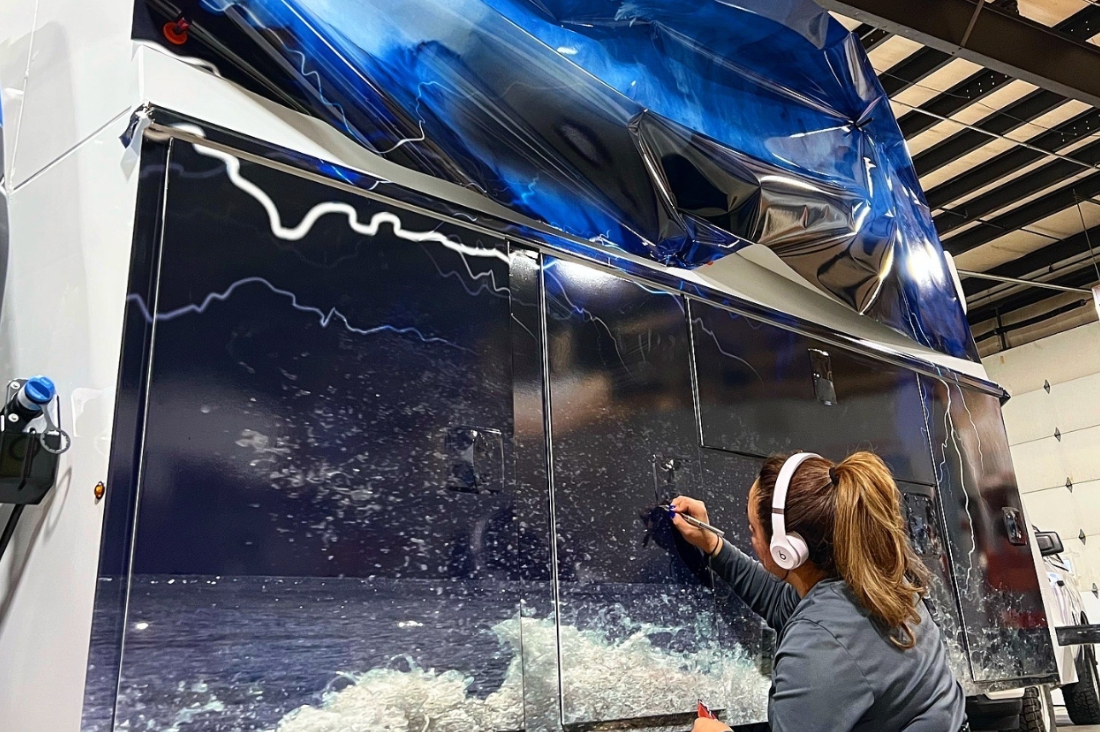
If your fleet needs to stay operational, whether you’re managing a local or national fleet, you might also be paying for rush jobs or off-hours installs, which can nudge the price upward.
That’s why working with experienced professionals matters. They know how to avoid bubbles, seams, and stretch marks that amateurs often leave behind.
Fleet Size: Volume Can Bring Value
If you’re wrapping multiple vehicles for a local or national fleet, most providers will offer a volume discount. That doesn’t mean each wrap becomes cheap, but the per-vehicle cost tends to go down with larger orders.
Consistency across a fleet also streamlines the design and print process, saving time on revisions and tweaks.
Planning a big rollout? Make sure to ask about package pricing or fleet deals—it could make a big difference on your bottom line.
Hidden Costs to Consider
It’s easy to think only about the wrap itself, but some other sneaky fees can pop up if you’re not careful:
- Old wrap removal if you’re rewrapping a previously branded vehicle and need to remove the existing layer first.
- Design revisions if you’re starting from scratch or rebranding
- Travel fees if your installer has to come to you
- Storage or off-site installation if your facility can’t accommodate the work
A good wrap shop will be transparent about these, but it never hurts to ask upfront.
Ready to Wrap It Up? Here’s the Final Word
So, what does all this mean for the cost of commercial vehicle wraps? In short, it depends on size, design, material, condition, and who’s doing the work.
But if there’s one thing that holds across the board, it’s this: wrapping your vehicle is an investment in your brand visibility.
Whether you’re branding a single service van or an entire fleet, it pays—literally—to work with experts who know the ropes, and here at AP Wraps, we bring quality, experience, and a no-corners-cut approach to every single job that we do!
With years of experience, high–quality materials, and meticulous installation standards, we provide the best commercial fleet wraps to help businesses turn heads (and bring in leads) on every street they drive.
Want a quote? Or just want to brainstorm, wrap ideas for your fleet? Reach out today—your vehicles are already on the road, they might as well work while they’re at it.